
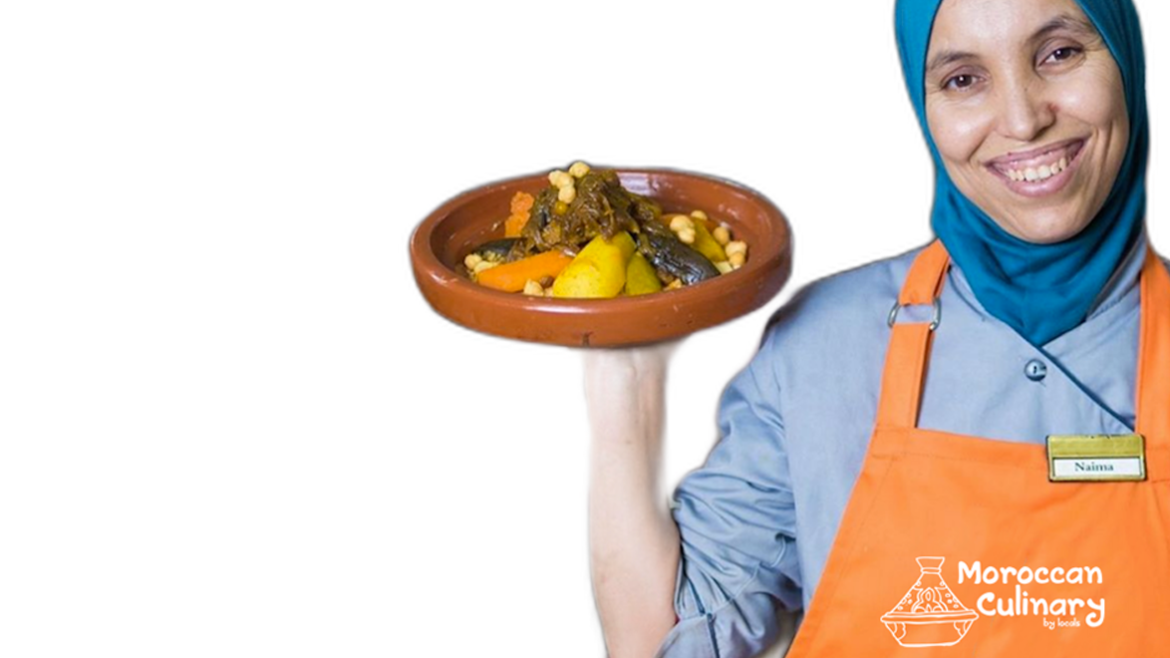
A tagine (also spelled tajine) is both a traditional North African cooking vessel and the slow-cooked Moroccan dish prepared in it. The vessel is a shallow clay base with a tall, cone-shaped lid that traps steam and returns it to the food, so meat, vegetables and spices braise gently in their own juices.
What is a tagine?
The word tagine refers to two things at once. It is the earthenware pot with the distinctive conical lid, and it is the fragrant stew cooked inside it. In Moroccan homes the two meanings are inseparable: the pot shapes how the dish tastes, and the dish is named after the pot that makes it.
A short history of the tagine
The tagine has Amazigh (Berber) roots and has been used across Morocco for centuries. Its clever design suited a way of life where slow, fuel-efficient cooking mattered. Over time, trade routes brought spices, dried fruit and preserved ingredients that shaped the flavours we recognise today.
How a tagine is cooked
Cooking a tagine is about patience, not speed. Ingredients are layered in the base, seasoned with spices, then cooked over low heat. The conical lid captures rising steam, cools it and drips it back down, so the dish stays moist with very little added water. This slow steam-braise concentrates the flavour and keeps the meat tender.
Popular types of Moroccan tagine
There is no single tagine. Each region and family has its own versions, sweet, savoury or both. These are among the most loved, and each one is taught in our Marrakech classes:
- Chicken tagine with preserved lemon and olives, the most iconic of all.
- Lamb tagine with prunes, a sweet-and-savoury classic for celebrations.
- Fish tagine with chermoula, a fresh coastal favourite.
- Sardine ball tagine, a homestyle dish full of flavour.
- Tagine makfoul with slow-cooked tomato and onion.
- Vegetable tagine, a naturally vegetarian option.
How tagine is served and eaten
A tagine arrives at the table in its own pot, lid lifted at the last moment to release the aroma. It is traditionally shared from the centre, using fresh Moroccan bread instead of cutlery to scoop up the sauce. Eating together from one dish is part of what makes the meal Moroccan.
Tips for an authentic tagine
Keep the heat low and steady, and resist lifting the lid too often. Season in layers rather than all at once, and balance warm spices with something bright, such as preserved lemon or fresh herbs. If you use dried fruit, add it later so it softens without dissolving.
Learn to cook tagine in Marrakech
The best way to understand tagine is to make one with the people who grew up cooking it. In our cooking classes in Marrakech, you shop for ingredients, prepare a tagine by hand with a local family, then sit down to share the meal you made. Ready to cook? Book on WhatsApp at +212 661 883 405 or email booking@moroccanculinary.com.
Related Moroccan food guides
Frequently asked questions
What is the difference between a tagine and a regular stew?
A tagine is cooked in a shallow clay dish topped by a tall conical lid. That lid traps rising steam, condenses it and returns the moisture to the food, so the dish braises slowly in very little liquid. The result is more concentrated and aromatic than a stew cooked in an open pot.
Do I need a special tagine pot to make one?
No. The conical clay tagine gives the most authentic texture, but you can make a very good tagine in any heavy pot or Dutch oven with a tight lid. What matters most is gentle heat, layering the ingredients and letting the dish cook slowly.
Is Moroccan tagine healthy?
Tagine is naturally light. It relies on slow steam cooking rather than frying, uses modest amounts of olive oil, and is built around vegetables, lean meat or fish, and spices such as ginger, turmeric, cumin and saffron. Many versions are also easy to make vegetarian.
Can I learn to make tagine in Marrakech?
Yes. Moroccan Culinary runs hands-on tagine cooking classes in Marrakech hosted with a local family, where you prepare the dish from scratch and share it afterwards. You can book on WhatsApp at +212 661 883 405.
Leave a reply